Artistic Gallery and Printing Technology

Artistic Gallery and Printing Technology
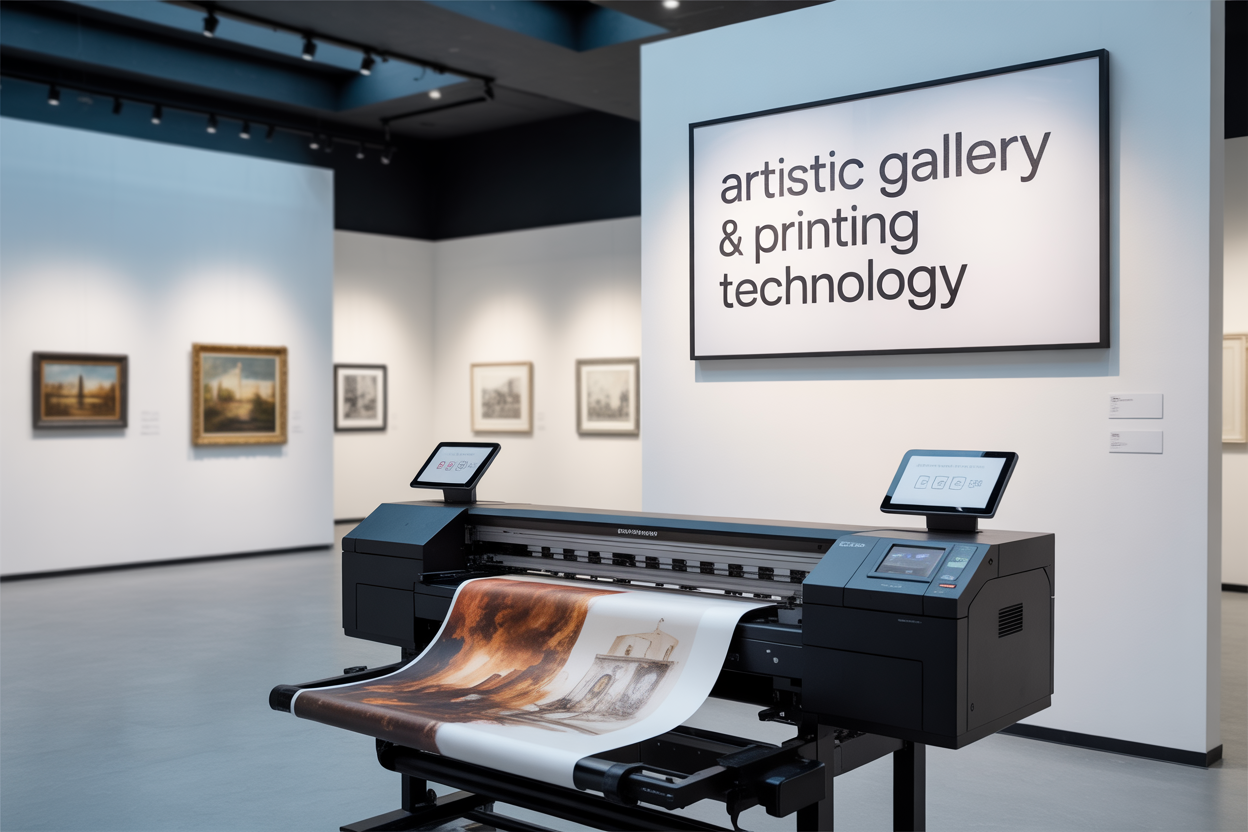
Modern art gallery printing technology revolutionizes how galleries showcase, reproduce, and monetize their collections. This comprehensive guide is designed for gallery owners, curators, and art business professionals who seek to enhance their operations through advanced reproduction methods and strategic printing solutions.
Today's galleries face mounting pressure to balance artistic integrity with commercial viability. Digital art reproduction has emerged as a critical tool for expanding reach while maintaining the highest quality standards. Professional gallery printing now offers unprecedented opportunities to transform static collections into dynamic revenue streams.
This exploration covers three essential areas that define successful gallery operations in the digital age. First, the technical foundation examines cutting-edge printing technologies and quality control standards that protect institutional reputation. Advanced reproduction methods now deliver museum-quality results while streamlining production workflows.
Second, the business strategy section reveals how galleries maximize profits through strategic print offerings. Smart positioning of reproductions, limited editions, and licensing agreements creates multiple revenue channels without compromising artistic value. Gallery printing solutions have evolved beyond simple poster production to sophisticated profit centers.
Finally, operational efficiency takes center stage with digital asset management systems that transform gallery workflows. These platforms organize vast collections, track licensing rights, and automate production schedules. Fine art printing services integrate seamlessly with modern gallery management, reducing overhead while expanding capabilities.
Commercial art printing has matured into a sophisticated industry that serves both artistic and business objectives. The following sections provide actionable insights for galleries ready to embrace these technological advances and capture new market opportunities.
Transform Your Art Collection with Advanced Digital Reproduction

Achieve Museum-Quality Prints with High-Resolution Scanning
Professional art gallery printing technology starts with capturing every detail of the original artwork through advanced scanning systems. Modern high-resolution scanners produce digital files exceeding 600 DPI, ensuring color accuracy and detail preservation that rivals the original piece. These sophisticated systems capture subtle brushstrokes, texture variations, and color gradients that traditional photography often misses.
The scanning process requires specialized equipment designed for fine art reproduction. Flatbed scanners with LED lighting systems eliminate heat damage while producing consistent illumination across the entire artwork surface. For larger pieces, professional drum scanners or specialized art reproduction cameras maintain quality standards across various artwork dimensions.
Color management becomes critical during the scanning phase. Professional galleries employ calibrated workflows that maintain color fidelity from scan to print. This process involves creating custom color profiles for each artwork, ensuring the digital reproduction accurately represents the artist's original vision.
Preserve Original Artwork While Creating Multiple Copies
Digital art reproduction technology protects valuable originals from handling damage and environmental exposure. Once scanned, galleries can store original pieces in climate-controlled environments while displaying high-quality reproductions in public spaces. This approach extends the lifespan of valuable artwork while maintaining accessibility for visitors.
The preservation benefits extend beyond physical protection. Digital files serve as permanent records of artwork condition, documenting pieces before any potential deterioration occurs. These digital archives become invaluable for insurance purposes, authentication, and scholarly research.
Professional gallery printing solutions enable unlimited reproduction without degrading the source material. Unlike traditional photographic reproduction methods that required multiple exposures of the original, digital scanning creates a master file that generates countless prints without additional contact with the artwork.
Expand Your Audience Reach Through Digital Distribution
Digital asset management galleries can distribute artwork reproductions across multiple platforms simultaneously. Online galleries, print-on-demand services, and digital licensing platforms expand market reach beyond physical gallery walls. This digital distribution strategy connects artwork with collectors worldwide who might never visit the physical location.
Social media integration amplifies this reach exponentially. High-quality digital reproductions perform excellently across Instagram, Pinterest, and other visual platforms, driving traffic back to gallery websites and physical locations. The viral nature of digital content can transform a single piece into a global phenomenon.
Virtual gallery experiences rely heavily on quality digital reproductions. Museums and galleries worldwide have discovered that exceptional digital art reproduction creates immersive online experiences that complement rather than compete with physical visits.
Generate Additional Revenue Streams from Single Pieces
Art reproduction technology creates multiple monetization opportunities from individual artworks. Limited edition prints, postcards, calendars, and merchandise all stem from a single high-quality digital reproduction. These products appeal to different price points, making art accessible to broader audiences while generating consistent income.
Gallery profit maximization strategies often center around print sales. Original artwork might sell once, but quality reproductions can generate revenue for years. Limited edition numbering and certificate programs add value while maintaining exclusivity.
Commercial art printing partnerships expand revenue potential through licensing agreements. Interior designers, hotels, restaurants, and corporate clients regularly seek quality art reproductions for their spaces. Digital reproduction technology makes fulfilling these bulk orders profitable and efficient.
Fine art printing services can become standalone business ventures. Many galleries discover that their reproduction capabilities attract other artists and collectors seeking professional printing services, creating additional income streams beyond their own collection sales.
Essential Printing Technologies for Professional Art Galleries
Giclée Printing Delivers Exceptional Color Accuracy
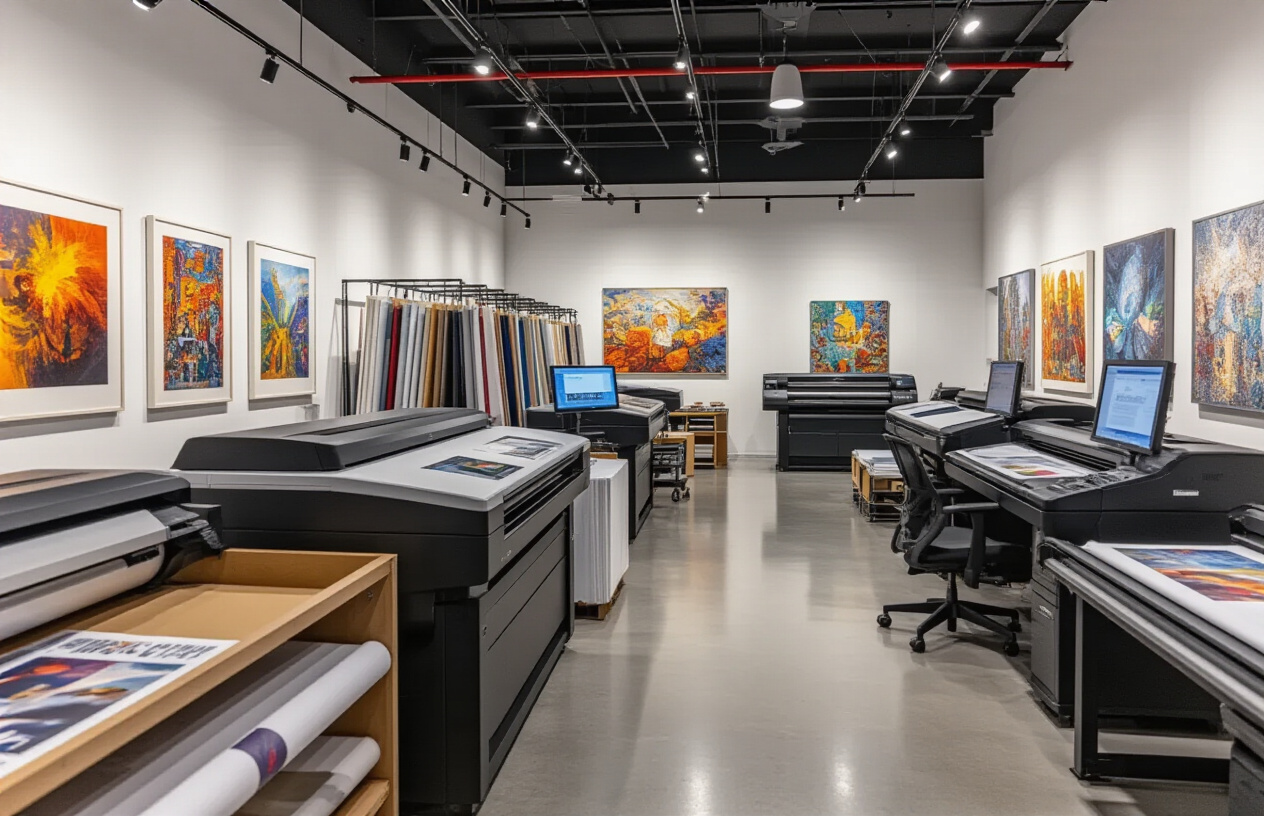
Giclée printing stands as the gold standard for art gallery printing technology, offering unmatched color fidelity that preserves the artist's original vision. This advanced inkjet printing method uses pigment-based inks and high-resolution capabilities to produce museum-quality reproductions with exceptional detail and longevity.
Professional galleries rely on giclée technology because it delivers consistent results across multiple prints while maintaining archival quality standards. The process uses microscopic droplets of ink applied with precision, creating smooth color transitions and capturing subtle gradations that other printing methods often miss. This level of detail proves essential when reproducing fine art, where every brushstroke and color nuance matters.
The pigment-based inks used in giclée printing resist fading for decades, making these prints suitable for both gallery sales and long-term display. Many galleries offer limited edition giclée prints alongside original works, creating additional revenue streams while maintaining quality standards that protect their reputation.
Large Format Printers Handle Oversized Masterpieces
Modern galleries need printing equipment capable of reproducing artwork at various scales, from intimate pieces to wall-sized installations. Large-format printers designed for fine art printing services can accommodate prints up to 60 inches wide or larger, enabling galleries to reproduce oversized masterpieces without compromising quality.
These specialized machines maintain consistent color accuracy across large surfaces, preventing the color shifts and banding issues that plague standard printers when scaled up. The precision engineering ensures uniform ink distribution, creating seamless prints that rival the visual impact of original works.
Gallery printing solutions often include roll-to-roll capabilities, allowing for efficient production of multiple large prints or extremely long panoramic pieces. This flexibility enables galleries to fulfill custom commission requests and create impactful display pieces for exhibitions and events.
Fine Art Paper Selection Enhances Visual Impact
Paper choice significantly influences the final appearance and longevity of art reproductions, making it a critical component of professional gallery printing. Different paper types complement various artistic styles and affect how colors appear, how light reflects off the surface, and how the piece feels to viewers.
| Paper Type | Best For | Characteristics |
|---|---|---|
| Cotton Rag | Traditional paintings | Museum-quality, archival |
| Photo Paper | Photography | High gloss, sharp detail |
| Canvas | Oil paintings | Textured, authentic feel |
| Bamboo Paper | Eco-conscious projects | Sustainable, unique texture |
Fine art papers from reputable manufacturers offer acid-free composition and lignin-free construction, ensuring prints maintain their appearance for generations. Galleries often maintain relationships with paper suppliers to access specialty substrates that match specific artistic requirements or client preferences.
The weight and texture of the chosen paper affect handling, framing, and display options. Heavier papers provide a premium feel that justifies higher pricing, while specific textures can enhance the reproduction's authenticity, particularly for paintings originally created on canvas or textured surfaces.
Maximize Gallery Profits Through Strategic Print Offerings

Create Limited Edition Series to Drive Exclusivity
Limited edition prints serve as powerful revenue generators while maintaining the exclusive nature that collectors crave. Gallery printing solutions enable the creation of numbered series that transform original artwork into accessible yet prestigious collectibles. Professional gallery printing technology ensures each reproduction maintains exceptional quality standards while establishing artificial scarcity that drives demand.
The strategic approach involves selecting popular pieces from the gallery's collection and producing them in runs of 50, 100, or 250 copies. Each print receives individual numbering and artist or gallery authentication, creating immediate value perception. Digital art reproduction technology allows galleries to produce these editions on demand, reducing inventory costs while maintaining quality control.
Pricing structures for limited editions typically command 30-50% higher margins than standard prints. When combined with certificates of authenticity and archival materials, these offerings attract serious collectors willing to pay premium prices for guaranteed exclusivity.
Offer Multiple Size Options to Suit Different Budgets
Strategic sizing options democratize art ownership while maximizing profit potential across diverse customer segments. Art gallery printing technology enables precise scaling without quality loss, allowing galleries to offer the same image in multiple formats, targeting different price points. Standard-size offerings create a tiered pricing structure:
| Print Size | Target Market | Typical Markup |
|---|---|---|
| 8x10" | First-time buyers | 200-300% |
| 16x20" | Serious collectors | 250-350% |
| 24x36" | Interior designers | 300-400% |
| Large format | Corporate clients | 400-500% |
Fine art printing services provide consistent quality across all sizes, ensuring customer satisfaction regardless of budget constraints. This approach captures revenue from price-sensitive customers while maintaining premium options for affluent collectors.
Digital asset management galleries benefit from this strategy by tracking which sizes perform best for specific artworks, enabling data-driven inventory decisions and pricing optimization.
Develop Custom Framing Services for Complete Solutions
Custom framing transforms print sales from single transactions into comprehensive service offerings. Gallery profit maximization occurs when customers purchase complete presentation solutions rather than just prints. Professional framing services typically generate 60-80% profit margins while enhancing the perceived value of the artwork.
Full-service framing operations include:
-
Museum-quality matting materials
-
Conservation framing techniques
-
Custom frame design consultation
-
Professional installation services
-
Maintenance and restoration options
Art reproduction technology paired with expert framing creates museum-quality presentations that justify premium pricing. Customers appreciate the convenience of one-stop shopping, while galleries benefit from increased transaction values and customer retention.
The investment in framing capabilities pays dividends through repeat business and referral generation. Satisfied customers become advocates, driving new business through word-of-mouth recommendations.
Build Collector Relationships Through Print Authentication
Authentication services establish galleries as trusted authorities while creating ongoing revenue streams. Commercial art printing combined with professional authentication creates valuable collector relationships that extend far beyond individual transactions. Digital documentation systems track each print's provenance, creating comprehensive records that increase long-term value.
Authentication programs include:
-
Detailed provenance documentation
-
Artist signature verification
-
Quality certification stamps
-
Digital registration systems
-
Resale value guarantees
Art print quality standards enforced through authentication programs build collector confidence and command premium prices. Galleries that invest in robust authentication systems often see 25-40% higher average transaction values compared to those offering basic prints without documentation.
These relationships become invaluable assets as authenticated collectors return for additional purchases and refer other serious buyers to the gallery.
Digital Asset Management Systems Streamline Gallery Operations

Catalog Your Entire Collection with Searchable Databases
Modern art galleries need robust database solutions to manage thousands of artworks, prints, and digital files effectively. Digital asset management galleries benefit from sophisticated cataloging systems that organize collections by artist, medium, date, style, or custom tags. These searchable databases eliminate time-consuming manual searches and allow staff to instantly locate specific pieces or filter collections based on client preferences.
Professional database systems capture essential metadata, including artwork dimensions, color profiles, edition numbers, and provenance information. Advanced systems integrate with gallery printing solutions to automatically pull the correct specifications for reproduction orders. Staff can quickly access high-resolution files, printing parameters, and historical sales data through intuitive search interfaces that support multiple query types.
Cloud-based platforms ensure that the collected data remains accessible from any location while maintaining security protocols. These systems often include automated backup features and version control, protecting against data loss and allowing galleries to track changes over time. Integration capabilities with existing gallery management software create seamless workflows that reduce administrative overhead.
Track Inventory and Sales Performance in Real-Time
Real-time tracking transforms how galleries monitor their inventory and analyze sales patterns. Digital art reproduction businesses require precise inventory management to avoid overselling limited editions or running out of popular prints. Modern systems provide instant visibility into stock levels, pending orders, and production schedules.
Sales analytics dashboards reveal which artworks generate the most revenue, seasonal trends, and customer preferences. This data drives informed decisions about which pieces to promote, reprint, or retire from active inventory. Professional gallery printing operations use these insights to optimize their catalog mix and maximize profit margins.
Automated alerts notify staff when inventory drops below predetermined thresholds, preventing stockouts during peak sales periods. Integration with point-of-sale systems ensures every transaction updates inventory counts immediately, maintaining accurate records across multiple sales channels.
Automate Print Order Processing and Fulfillment
Automation dramatically reduces manual errors and processing time for print orders. Art gallery printing technology now includes sophisticated workflow management that routes orders through each production stage automatically. From initial order receipt to final quality control, systems track progress and update customers on delivery timelines.
Smart routing algorithms assign orders to appropriate printers based on specifications, availability, and workload distribution. This optimization ensures faster turnaround times while maintaining quality standards. Automated systems can also generate shipping labels, tracking numbers, and customer notifications without staff intervention.
Fine art printing services benefit from automated color matching and print queue management. Systems can detect when specific paper stocks or inks are running low and automatically reorder supplies or suggest alternatives. This proactive approach prevents production delays and maintains consistent output quality.
Maintain Digital Backups for Insurance and Security
Comprehensive backup strategies protect valuable digital assets from hardware failures, cyber attacks, or natural disasters. Galleries store high-resolution master files, edited versions, and metadata across multiple geographic locations using cloud storage solutions and physical backup systems.
Insurance companies increasingly require documented digital asset inventories for coverage claims. Properly maintained backup systems provide the necessary documentation and file access to support insurance claims for stolen, damaged, or destroyed artworks. Regular backup verification ensures files remain intact and accessible when needed.
Security protocols include encryption, access controls, and audit trails that track who accessed which files and when. These measures protect intellectual property while meeting industry compliance requirements. Automated backup schedules eliminate human error and ensure consistent protection without ongoing staff intervention.
Share High-Quality Images with Clients and Press
Professional image-sharing platforms enable galleries to showcase their collections to clients, media outlets, and potential buyers efficiently. High-resolution files formatted for different uses—web galleries, print catalogs, or press releases—are easily accessible through secure portals with customizable permissions.
Client-specific galleries allow collectors to view potential purchases privately while maintaining image security through watermarks or download restrictions. Press kits containing approved images, artist biographies, and exhibition information streamline media relations and ensure consistent brand representation.
Commercial art printing workflows benefit from standardized image delivery systems that provide clients with exactly the files they need for their projects. Color-managed workflows ensure images appear consistently across different devices and printing methods, maintaining the gallery's reputation for quality and professionalism.
Quality Control Standards That Protect Your Gallery's Reputation
Implement Color Management Workflows for Consistency
Color accuracy serves as the foundation of professional gallery printing technology. Establishing a comprehensive color management system ensures that digital art reproduction maintains the artist's original vision across all printed materials. Professional calibrated monitors, ICC profiles, and standardized viewing conditions create the technical backbone for consistent color reproduction.
The workflow begins with proper monitor calibration using hardware colorimeters. These devices measure actual display output and create custom ICC profiles that compensate for individual monitor characteristics. Regular calibration schedules, typically monthly for critical color work, maintain accuracy over time as displays age and drift from their initial specifications.
Printer profiling represents the next critical step in the color management chain. Custom ICC profiles for each paper and ink combination capture the unique characteristics of specific printing substrates. Fine art printing services often maintain extensive profile libraries covering various paper types, from traditional cotton rag papers to modern synthetic materials.
Soft proofing capabilities allow galleries to preview final print appearance on calibrated displays before committing to physical production. This preview process reduces waste, saves costs, and ensures client satisfaction by identifying potential color shifts or gamut limitations before printing begins.
Establish Print Inspection Protocols Before Client Delivery
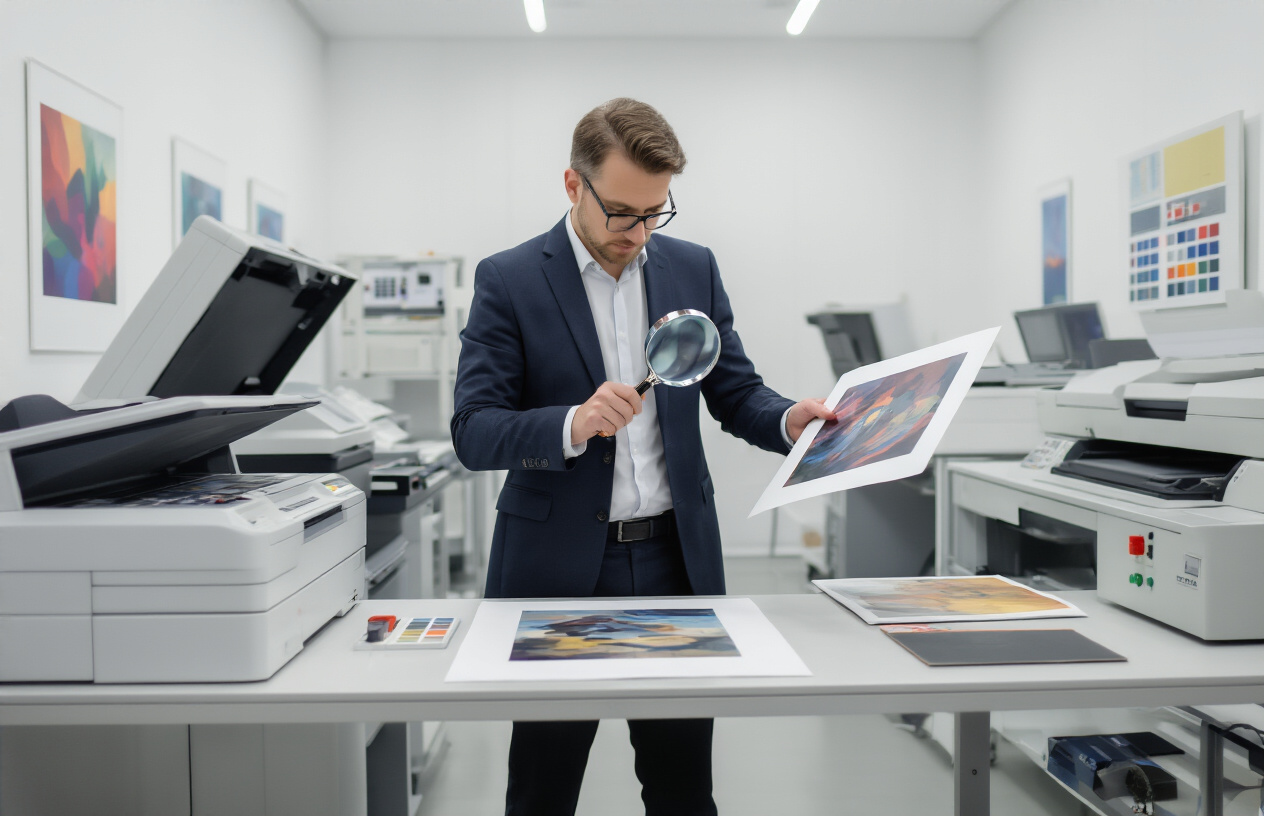
Systematic quality inspection protocols protect the gallery's reputation while maintaining art print quality standards. Visual inspection under standardized lighting conditions reveals color accuracy, print density, and surface defects that could compromise the final product's professional appearance.
A structured inspection checklist covers multiple quality parameters:
| Quality Parameter | Inspection Criteria |
|---|---|
| Color Accuracy | Compare to calibrated proof under D50 lighting |
| Print Density | Check for consistent ink coverage across the image |
| Surface Quality | Inspect for scratches, dust, or printing artifacts |
| Paper Condition | Verify proper handling, no creases or damage |
| Registration | Confirm proper alignment for multi-color prints |
| Trimming | Check dimensions and cutting accuracy |
Documentation of inspection results creates accountability and provides data for continuous improvement. Digital photography of any defects helps track recurring issues and supports communication with printing partners about quality concerns.
Rejected prints require immediate replacement, while borderline cases benefit from secondary evaluation by senior gallery staff. This two-tier review process prevents subjective decisions from affecting client relationships while maintaining consistently high standards.
Partner with Certified Printing Professionals for Best Results
Selecting qualified printing partners directly impacts the gallery's printing solutions' effectiveness and overall client satisfaction. Certified professionals bring technical expertise, specialized equipment, and established quality control processes that smaller galleries cannot maintain in-house.
Industry certifications like G7 Master Qualification or Idealliance certification demonstrate a printer's commitment to standardized processes and measurable quality metrics. These credentials indicate proficiency in color management, process control, and consistent output across different printing conditions.
Equipment capabilities significantly influence final print quality. Large-format inkjet printers with archival pigment inks provide longevity and color gamut suitable for fine art applications. Professional-grade RIP software ensures accurate color interpretation and optimal ink usage patterns.
Communication protocols with printing partners establish clear expectations for delivery timelines, quality standards, and revision procedures. Regular partnership reviews assess performance metrics and identify opportunities for service improvements.
Commercial art printing relationships often include value-added services like mounting, framing, and special finishing techniques. These comprehensive service offerings allow galleries to provide complete solutions while maintaining single-point accountability for project quality and delivery schedules.

Digital reproduction technology has revolutionized how galleries manage, display, and monetize their collections. From high-resolution scanning systems that capture every brushstroke detail to color-accurate printing technologies that produce museum-quality reproductions, these tools enable galleries to expand their reach while preserving original artworks. Strategic implementation of printing services creates new revenue streams, allowing galleries to offer limited edition prints, custom reproductions, and educational materials that appeal to diverse customer segments.
Successful galleries recognize that investing in quality control standards and digital asset management systems pays dividends through enhanced reputation and operational efficiency. By maintaining consistent reproduction quality and organizing digital collections systematically, galleries can build trust with collectors, artists, and visitors alike. The integration of advanced printing technology with sound business practices positions galleries to thrive in an increasingly digital art world while honoring the traditional values of artistic preservation and appreciation.
No comments:
Post a Comment