
Health Care and Medical
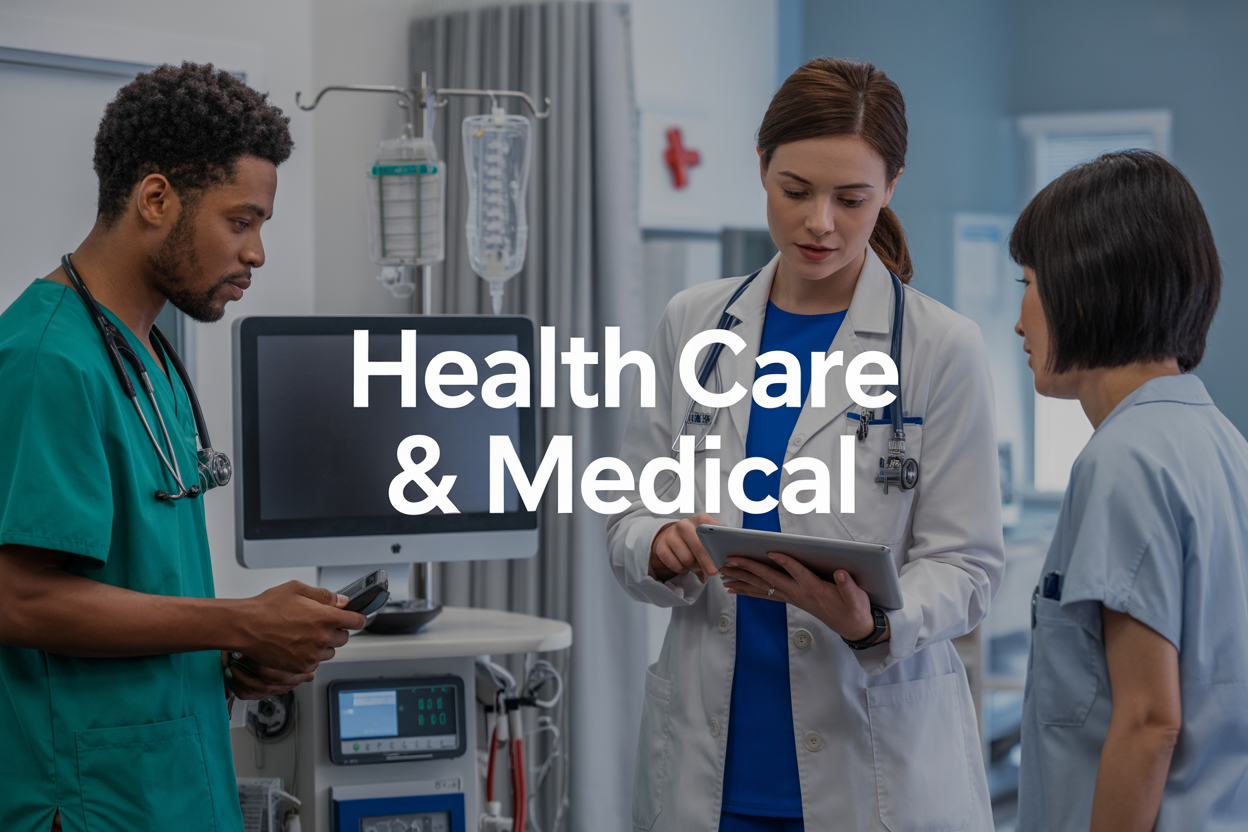
Health Care and Medical: Navigating Today's Healthcare Landscape
Modern healthcare systems continue to evolve rapidly, presenting both opportunities and challenges for patients, providers, and organizations alike. This comprehensive guide serves healthcare professionals, administrators, patients, and anyone seeking to understand the current medical landscape and make informed decisions about health services.
Healthcare costs have become a central concern as medical services expand and technology advances. Digital health technology now transforms how care gets delivered, while preventive care and wellness strategies prove increasingly vital for population health outcomes.
This guide covers three critical areas: Understanding Modern Healthcare Systems examines how today's healthcare systems operate and the role of health insurance coverage in accessing care. Managing Healthcare Costs Effectively explores practical approaches to controlling expenses while maintaining quality care through strategic healthcare management. Technology and Digital Health Solutions reviews how telemedicine and emerging digital tools reshape medical specialties and patient care delivery.
Each section provides actionable insights backed by current industry practices, helping readers navigate the complex healthcare environment with confidence.
Understanding Modern Healthcare Systems

Navigate Insurance Options and Coverage Benefits
Healthcare systems today offer various insurance plans, each with distinct coverage levels and cost structures. Employer-sponsored plans typically provide comprehensive coverage at reduced premium costs, while individual marketplace plans offer flexibility for self-employed professionals and freelancers. Medicare serves individuals 65 and older, with different parts covering hospital services, medical insurance, and prescription drugs.
Understanding deductibles, copayments, and out-of-pocket maximums helps determine actual healthcare costs beyond monthly premiums. High-deductible health plans paired with Health Savings Accounts (HSAs) provide tax advantages while covering catastrophic medical expenses. Network restrictions significantly impact costs, as out-of-network providers often result in higher patient responsibility.
| Insurance Type | Best For | Key Benefits |
|---|---|---|
| Employer Plans | Full-time employees | Lower premiums, employer contribution |
| Marketplace Plans | Self-employed, unemployed | Flexible options, potential subsidies |
| Medicare | Ages 65+ | Government-backed coverage |
| Medicaid | Low-income individuals | Minimal cost sharing |
Choose the Right Healthcare Provider for Your Needs
Primary care physicians serve as the foundation of effective healthcare management, coordinating specialist referrals and maintaining comprehensive health records. Board certification, hospital affiliations, and patient reviews provide insight into provider quality and expertise. Geographic proximity matters for routine appointments, while specialized care may require traveling to academic medical centers or specialty clinics.
Communication style significantly impacts the patient-provider relationship. Some patients prefer detailed explanations and shared decision-making, while others value efficiency and direct recommendations. Scheduling flexibility, office hours, and telehealth availability accommodate varying lifestyle needs and work schedules.
Provider networks within insurance plans limit choices but reduce costs. Staying within the network ensures predictable copayments and prevents surprise billing. When selecting providers outside the network becomes necessary, understanding the financial implications prevents unexpected expenses.
Maximize Preventive Care Services
Healthcare systems emphasize preventive care to reduce long-term costs and improve population health outcomes. Annual wellness visits, cancer screenings, and immunizations typically receive full insurance coverage without deductibles or copayments. These services detect health issues early when treatment options are more effective and less expensive.
Age-appropriate screenings include mammograms, colonoscopies, and cardiovascular risk assessments based on established medical guidelines. Chronic disease management through regular monitoring prevents complications and hospitalizations. Blood pressure checks, diabetes screenings, and cholesterol testing identify risk factors before symptoms develop.
Wellness programs offered by employers and insurance companies provide additional resources such as nutrition counseling, smoking cessation support, and fitness incentives. These programs often include financial rewards or premium discounts for participation and achieving health goals.
Understand Patient Rights and Responsibilities
Patient rights include access to medical records, informed consent for treatments, and privacy protection under HIPAA regulations. Healthcare providers must explain treatment options, risks, and alternatives in understandable language. Patients can request second opinions, refuse treatments, and participate in treatment decisions.
Emergency care cannot be denied based on insurance status or ability to pay, regardless of immigration status. Patients experiencing discrimination have recourse through hospital administration, state health departments, and civil rights organizations.
Patient responsibilities include providing accurate health information, following treatment plans, and respecting healthcare staff. Keeping appointments or providing adequate notice for cancellations helps healthcare systems operate efficiently. Understanding insurance coverage details and bringing the necessary documentation streamlines the care process.
Financial responsibilities extend beyond insurance copayments to include understanding billing practices and appealing denied claims when appropriate. Patients should review medical bills for accuracy and communicate with providers about payment difficulties before accounts reach collections.
Essential Medical Services and Specialties

Primary Care Physicians and Family Medicine Benefits
Primary care physicians serve as the foundation of effective healthcare systems, offering comprehensive medical services that address the majority of health concerns. These medical professionals provide continuity of care, developing long-term relationships with patients and maintaining detailed health histories that inform treatment decisions.
Family medicine practitioners excel at managing chronic conditions like diabetes, hypertension, and heart disease through regular monitoring and medication adjustments. Regular check-ups with primary care providers enable early detection of health issues, often preventing minor problems from escalating into serious medical conditions requiring expensive specialist interventions.
The cost-effectiveness of family medicine becomes evident when comparing preventive care expenses to emergency treatment costs. Annual physical examinations, routine screenings, and vaccinations delivered through primary care settings typically cost a fraction of emergency department visits or specialist consultations.
Specialist Referrals and When to Seek Expert Care
Medical specialties address complex health conditions that require advanced training and specialized equipment. Primary care physicians evaluate symptoms and determine when specialist consultation becomes necessary, ensuring patients receive appropriate care levels while managing healthcare costs effectively.
Common specialist referrals include cardiology for heart-related symptoms, dermatology for skin conditions, orthopedics for musculoskeletal injuries, and endocrinology for hormonal disorders. Timing plays a crucial role in specialist referrals – certain conditions benefit from immediate expert attention, while others can be managed initially through primary care with specialist backup when needed.
Insurance coverage often requires primary care referrals before specialist visits, making the relationship between family physicians and specialists essential for seamless care coordination. Understanding referral processes helps patients navigate healthcare systems more efficiently and avoid unexpected medical expenses.
Emergency Services and Urgent Care Decision Making
Emergency departments handle life-threatening conditions requiring immediate medical attention, including heart attacks, strokes, severe injuries, and breathing difficulties. These facilities operate 24/7 with specialized staff and equipment capable of managing critical medical situations.
Urgent care centers bridge the gap between primary care and emergency services, treating non-life-threatening conditions that require prompt attention. Examples include minor fractures, cuts requiring stitches, infections, and moderate pain or fever. These facilities typically offer extended hours and shorter wait times compared to emergency departments.
| Condition Type | Emergency Room | Urgent Care | Primary Care |
|---|---|---|---|
| Chest pain/Heart attack | ✓ | ||
| Minor cuts/Sprains | ✓ | ✓ | |
| Annual check-ups | ✓ | ||
| Severe allergic reactions | ✓ | ||
| Cold/Flu symptoms | ✓ | ✓ |
Cost considerations significantly impact emergency care decisions. Emergency department visits can cost thousands of dollars, while urgent care typically ranges from hundreds to low thousands, and primary care visits often cost under $200.
Mental Health Services and Counseling Options
Mental health services encompass various therapeutic approaches addressing psychological, emotional, and behavioral health concerns. Professional counselors, psychologists, and psychiatrists provide specialized treatment for conditions ranging from anxiety and depression to complex psychiatric disorders.
Therapy options include individual counseling, group therapy, family counseling, and specialized treatments like cognitive behavioral therapy or trauma-focused interventions. Many healthcare systems now integrate mental health services with primary care, recognizing the connection between physical and mental well-being.
Telemedicine has expanded access to mental health services, particularly beneficial for individuals in rural areas or those with transportation limitations. Digital health technology enables regular therapy sessions through secure video platforms, making mental healthcare more accessible and convenient.
Insurance coverage for mental health services has improved significantly, with many plans offering parity between mental health and medical benefits. Understanding coverage details helps patients access appropriate care while managing out-of-pocket expenses.
Diagnostic Testing and Imaging Services
Diagnostic testing forms the backbone of accurate medical diagnosis, encompassing laboratory tests, imaging studies, and specialized procedures. Blood work reveals information about organ function, infection markers, and disease indicators, while imaging services like X-rays, CT scans, and MRIs provide detailed internal body views.
Routine laboratory tests include complete blood counts, metabolic panels, and lipid profiles, typically performed during annual check-ups or when symptoms warrant investigation. More specialized tests may be ordered based on symptoms, family history, or risk factors for specific conditions.
Imaging services require careful consideration of necessity versus cost and radiation exposure. Healthcare providers balance the diagnostic benefits against potential risks, ordering the most appropriate studies for each clinical situation. Many diagnostic services can be scheduled through outpatient facilities, often at lower costs than hospital-based testing.
Preventive care guidelines recommend specific screening tests at certain ages, including mammograms, colonoscopies, and bone density scans. Understanding these recommendations helps patients work with their healthcare providers to develop appropriate screening schedules that maximize health benefits while considering individual risk factors and preferences.
Managing Healthcare Costs Effectively

Compare treatment options and associated expenses.
Medical treatment costs vary dramatically across providers, facilities, and treatment approaches. Research shows that prices for identical procedures can differ by hundreds or even thousands of dollars within the same geographic area. Before committing to any non-emergency treatment, obtaining multiple quotes becomes essential for effective healthcare cost management.
When comparing options, consider both immediate expenses and long-term financial implications. Outpatient procedures typically cost significantly less than inpatient treatments, while generic medications often provide substantial savings over brand-name alternatives without compromising effectiveness. Emergency rooms charge premium rates for non-urgent care, making urgent care centers or primary care visits more cost-effective alternatives.
| Treatment Setting | Average Cost Range | Best For |
|---|---|---|
| Emergency Room | $1,500-$3,000+ | Life-threatening conditions |
| Urgent Care | $200-$400 | Non-emergency urgent needs |
| Primary Care | $150-$300 | Routine care and prevention |
| Specialist Consultation | $300-$600 | Specific medical concerns |
Geographic location significantly impacts medical pricing. Healthcare costs in metropolitan areas often exceed rural rates by 20-40%. Medical tourism, whether domestic or international, presents viable options for elective procedures, though patients must weigh travel expenses and follow-up care logistics.
Quality metrics should guide decision-making alongside cost considerations. Hospital ratings, physician credentials, and patient satisfaction scores provide valuable insights into care quality. Insurance networks also influence final costs, as out-of-network providers typically result in higher patient responsibility.
Use health savings accounts and flexible spending accounts
Health Savings Accounts (HSAs) and Flexible Spending Accounts (FSAs) represent powerful tools for reducing healthcare costs through tax advantages. HSAs, available to individuals with high-deductible health plans, offer triple tax benefits: deductible contributions, tax-free growth, and tax-free withdrawals for qualified medical expenses.
HSA contribution limits change annually, with 2024 allowing $4,150 for individual coverage and $8,300 for family coverage. Adults over 55 can contribute an additional $1,000 as a catch-up contribution. Unlike FSAs, HSA funds roll over indefinitely, making them excellent long-term healthcare investment vehicles.
HSA Advantages:
-
Funds never expire
-
Portable between employers
-
Investment growth potential
-
Retirement healthcare funding
-
No required minimum distributions
FSAs operate differently, requiring employees to use funds within the plan year or lose them, though many employers offer grace periods or small carryover amounts. FSA contribution limits typically cap at around $3,050 annually for healthcare FSAs.
Both accounts cover extensive qualified expenses, including prescription medications, medical equipment, dental care, and vision services. Recent expansions include over-the-counter medications and feminine hygiene products. Mental health services, physical therapy, and alternative treatments like acupuncture also qualify for reimbursement.
Strategic planning maximizes these accounts' value. Estimate annual healthcare expenses conservatively for FSAs to avoid forfeiting unused funds. For HSAs, contribute the maximum amount possible and invest unused funds for long-term growth, treating the account as a retirement healthcare fund.
Negotiate medical bills and payme. nt plans
Medical bills often contain errors, overcharges, or inflated prices that patients can successfully challenge. Studies indicate that up to 80% of medical bills contain mistakes, making careful review essential before payment. Common errors include duplicate charges, incorrect procedure codes, and services never rendered.
When reviewing bills, request itemized statements showing each service, medication, and supply charge. Compare these details against medical records and insurance explanations of benefits. Question any unfamiliar charges or services that seem inconsistent with the care received.
Effective Negotiation Strategies:
-
Request financial hardship discounts
-
Ask for uninsured patient rates
-
Propose lump-sum payment discounts
-
Negotiate extended payment plans
-
Challenge excessive charges
Many healthcare providers offer significant discounts for patients facing financial difficulties. Hospitals, particularly non-profit institutions, often provide charity care programs that reduce or eliminate bills based on income levels. These programs sometimes extend to patients earning up to 400% of federal poverty guidelines.
Payment plans represent another valuable option for managing large medical expenses. Most providers prefer structured payment arrangements over unpaid bills, making them willing to negotiate reasonable monthly payments. Interest-free payment plans are common, especially for larger amounts.
Before agreeing to any payment arrangement, ensure the terms are documented in writing. Understand whether the plan affects credit reporting and confirm that making payments as agreed prevents collection actions. Some providers report payment plans to credit agencies, while others only report missed payments.
Medical debt collection laws provide additional protections. The No Surprises Act limits surprise billing, while the Fair Debt Collection Practices Act governs collector behavior. Many states have enacted additional protections limiting interest charges and extending payment timeframes for medical debt.
Preventive Care and Wellness Strategies

Schedule Regular Health Screenings and Checkups
Regular health screenings serve as the foundation of effective preventive care, catching potential health issues before they develop into serious conditions. Adults should establish a consistent schedule with primary care providers for annual physical examinations that include blood pressure monitoring, cholesterol testing, and diabetes screening. The frequency of specific tests varies by age, gender, and risk factors - women typically need mammograms starting at age 40-50, while colonoscopies become important for both genders after age 45-50.
Healthcare systems emphasize the importance of age-appropriate screenings because early detection dramatically improves treatment outcomes and reduces healthcare costs over time. Many health insurance coverage plans fully cover preventive screenings, making them accessible without additional out-of-pocket expenses. Establishing relationships with medical professionals who understand individual health histories enables more personalized screening recommendations and better continuity of care.
Maintain Recommended Vaccination Schedules
Vaccination schedules protect individuals and communities from preventable diseases throughout life. Adults need regular updates for vaccines like tetanus-diphtheria (every 10 years), annual influenza shots, and COVID-19 boosters as recommended by health authorities. Certain populations require additional vaccines - adults over 65 benefit from pneumococcal vaccines, while international travelers may need specific immunizations based on destinations.
Healthcare management includes tracking vaccination records and staying informed about new recommendations from medical specialties like infectious disease physicians. Many healthcare systems now offer digital health technology solutions that send reminders for upcoming vaccinations and maintain comprehensive immunization histories accessible through patient portals.
Implement Lifestyle Changes for Disease Prevention
Lifestyle modifications represent the most powerful tools for preventing chronic diseases that account for the majority of healthcare costs. Evidence-based wellness strategies focus on tobacco cessation, limiting alcohol consumption, managing stress levels, and getting adequate sleep quality. These changes can prevent or delay the onset of heart disease, diabetes, certain cancers, and stroke.
Medical services increasingly incorporate lifestyle counseling into routine care, recognizing that behavioral changes often provide better long-term outcomes than medications alone. Healthcare providers work with patients to develop realistic, sustainable plans that address individual circumstances and preferences. Digital health technology platforms now offer apps and wearable devices that track progress and provide motivation for maintaining healthy habits.
Access Nutrition and Fitness Guidance from Professionals
Professional guidance ensures that nutrition and fitness plans align with individual health needs and medical conditions. Registered dietitians provide evidence-based nutrition counseling that goes beyond generic dietary advice, addressing specific health concerns like diabetes management, heart disease prevention, or weight control. These specialists work within healthcare systems to create personalized meal plans and educate patients about proper nutrition for their unique circumstances.
Fitness professionals, including exercise physiologists and certified trainers with medical backgrounds, design safe, effective exercise programs tailored to individual fitness levels and health limitations. This professional oversight becomes particularly important for people with chronic conditions or those recovering from injuries. Many preventive care programs now integrate nutrition and fitness services, recognizing their critical role in maintaining long-term health and reducing the need for more intensive medical interventions later in life.
Technology and Digital Health Solutions

Leverage Telemedicine for Convenient Consultations
Digital health technology has revolutionized how patients access medical care, with telemedicine leading this transformation. Virtual consultations eliminate geographical barriers and reduce waiting times, making healthcare more accessible than ever before. Patients can connect with healthcare providers through secure video platforms, mobile apps, and specialized medical software from the comfort of their homes.
Telemedicine proves particularly valuable for routine check-ups, follow-up appointments, and managing chronic conditions. Mental health services, dermatology consultations, and prescription renewals work exceptionally well through digital platforms. Emergency consultations also benefit from telemedicine, allowing medical professionals to provide immediate guidance and determine whether in-person care is necessary.
The cost-effectiveness of virtual visits appeals to both patients and healthcare systems. Reduced overhead costs for medical facilities translate to lower consultation fees, while patients save on travel expenses and time off work. Insurance providers increasingly recognize telemedicine as a covered service, expanding access to quality care across diverse populations.
Track Health Metrics with Wearable Devices
Wearable health technology empowers individuals to monitor vital signs and health indicators continuously. Smart watches, fitness trackers, and specialized medical devices collect real-time data on heart rate, blood pressure, sleep patterns, and physical activity levels. This constant monitoring provides valuable insights into overall health status and early warning signs of potential issues.
Advanced wearables can detect irregular heartbeats, monitor blood oxygen levels, and track stress indicators. Some devices even measure blood glucose levels non-invasively, revolutionizing diabetes management. The data collected creates comprehensive health profiles that healthcare providers can analyze to make informed treatment decisions.
Integration with smartphone apps allows users to set health goals, track progress, and receive personalized recommendations. Many devices sync automatically with electronic health records, ensuring healthcare providers have access to accurate, up-to-date information during consultations. This seamless data flow enhances the quality of medical care and supports preventive health strategies.
Manage Prescriptions Through Digital Platforms
Digital prescription management streamlines medication administration and improves patient compliance. Online pharmacy platforms allow patients to order refills, track delivery status, and manage multiple prescriptions from a single interface. Automated refill reminders prevent medication gaps that could compromise treatment effectiveness.
Electronic prescription systems reduce errors associated with handwritten prescriptions while providing real-time drug interaction checks. Pharmacists and physicians can collaborate more effectively through shared digital platforms, ensuring optimal medication regimens for each patient. Price comparison tools help patients find affordable options for their prescribed medications.
Mobile apps provide medication scheduling, dosage reminders, and side effect tracking capabilities. Patients can photograph their pills for identification, set up family member notifications, and maintain detailed medication histories. These features particularly benefit elderly patients or those managing complex medication regimens.
Access Electronic Health Records Securely
Electronic health records (EHRs) centralize patient information, making medical history accessible to authorized healthcare providers instantly. Secure patient portals allow individuals to view test results, vaccination records, and treatment summaries at any time. This transparency empowers patients to take active roles in their healthcare decisions.
Cloud-based storage ensures medical information remains available during emergencies or when seeking care from different providers. Standardized formats enable seamless information sharing between hospitals, clinics, and specialists, reducing duplicate tests and improving care coordination. Robust encryption and multi-factor authentication protect sensitive medical data from unauthorized access.
Patient-controlled access settings allow individuals to determine which healthcare providers can view specific portions of their medical records. Integration with telemedicine platforms and wearable devices creates comprehensive digital health profiles that support personalized treatment plans and improved health outcomes.

Modern healthcare systems continue to evolve, offering expanded access to essential medical services across various specialties while embracing technological innovations that enhance patient care. The key to navigating today's medical landscape lies in understanding available options, managing costs through strategic planning, and prioritizing preventive care over reactive treatments. Digital health solutions have revolutionized how patients interact with healthcare providers, making medical information more accessible and enabling remote monitoring that can catch potential issues early.
Taking control of healthcare decisions requires a proactive approach that combines smart financial planning with consistent preventive care practices. Healthcare systems work best when patients stay informed about their options, maintain regular wellness checkups, and leverage technology to monitor their health status. The investment in preventive care and early intervention pays dividends through reduced long-term costs and improved quality of life, making healthcare more manageable and effective for everyone involved.
No comments:
Post a Comment